

by Paul W. Taylor, Washington State Standard
April 11, 2026
The state’s school chief says Washington is falling behind a national push to restrict smartphones in schools, arguing the state should move to a statewide standard rather than continue studying the issue.
In recent months, states have accelerated efforts to limit student phone use. Indiana advanced a stricter bell-to-bell ban, New Jersey adopted a statewide requirement that will make districts including Newark phone-free by fall, Michigan enacted a law requiring school policies with emergency-use provisions, and Hawaiʻi is moving toward broad classroom restrictions. Together, the measures reflect a shift toward tighter, more uniform rules aimed at reducing distraction and improving focus.
Washington, by contrast, did not adopt a statewide policy this year. Instead, lawmakers directed the Office of Superintendent of Public Instruction to study the issue.
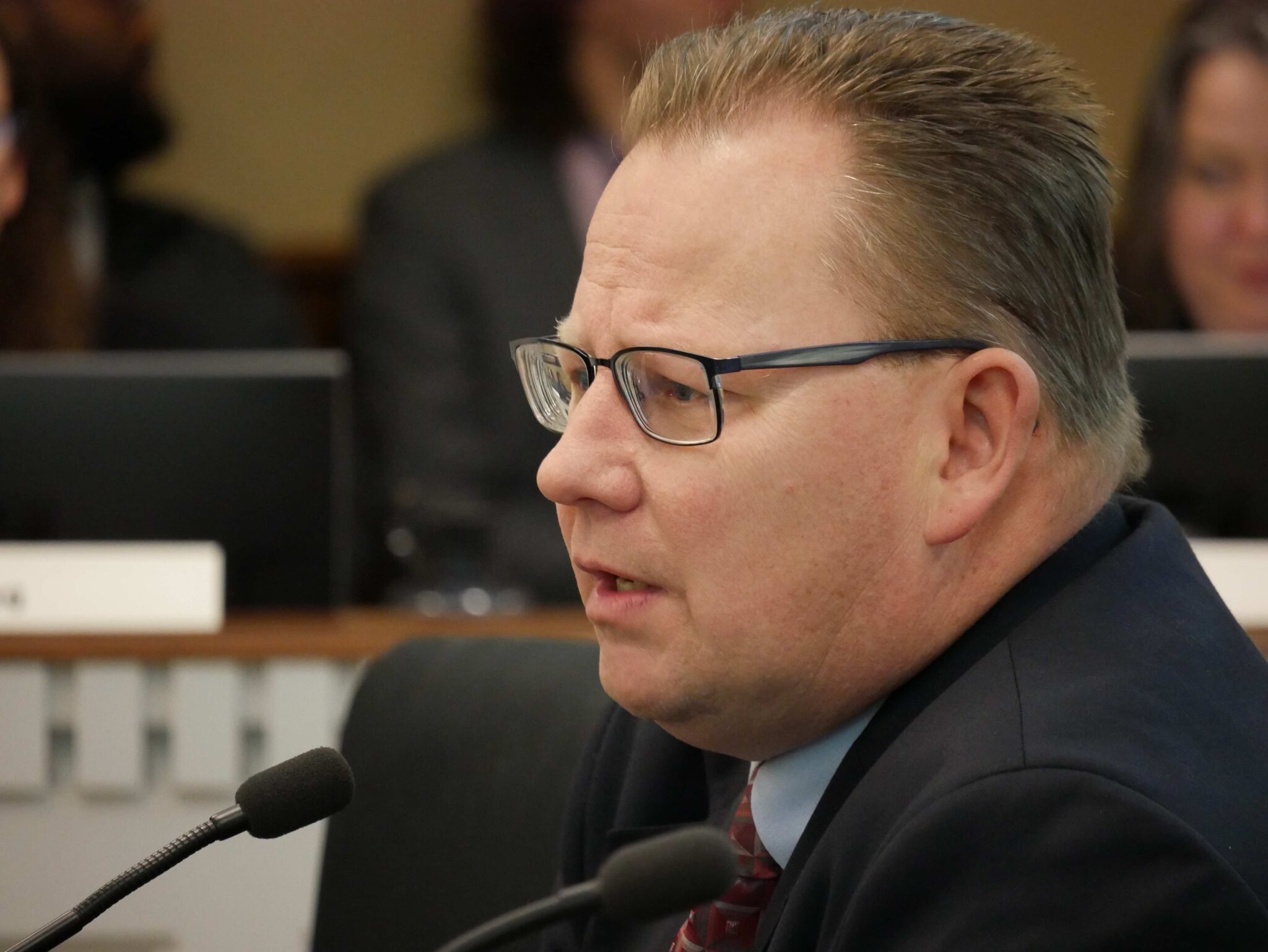
“We are behind. We are behind,” State Superintendent of Public Instruction Chris Reykdal told host Austin Jenkins on TVW’s Inside Olympia.
Reykdal said about 75% of districts updated their policies after state guidance, but warned that inconsistent local approaches limit effectiveness.
“The common thread is that this really does work,” he said, citing feedback from other states.
He pointed to changes in student behavior where restrictions are in place.
“It’s louder in the lunchrooms and in the hallways because kids are talking to each other,” he said.
“We don’t need studies to see how clear the research is. We need courage,” he said.
The debate comes as Washington schools face mounting financial pressure. Lawmakers approved a supplemental budget that reduced or eliminated several programs while maintaining core funding levels.
Reykdal described the budget as “painful,” noting that while total spending increased, it did not keep pace with inflation.
“We grew, but we didn’t grow as much as inflation was necessary,” he said.
He warned districts will continue cutting services outside the classroom, including counseling, extracurriculars and maintenance, while trying to preserve basic instruction.
At the same time, declining enrollment driven by lower birth rates is forcing districts to reconsider long-term operations, including potential school closures and consolidation.
Reykdal also pointed to reductions in early learning, including cuts to transitional kindergarten, which he said is among the most effective tools for improving student outcomes.
This article was first published by TVW, a media nonprofit that provides comprehensive coverage of state government. TVW broadcasts unedited gavel-to-gavel coverage on statewide cable and at tvw.org, and produces original current affairs and education shows, including “Inside Olympia” and “The Impact”. TVW’s mission is to give Washingtonians access to their state government, increase civic access and engagement, and foster an informed citizenry.
Washington State Standard is part of States Newsroom, a nonprofit news network supported by grants and a coalition of donors as a 501c(3) public charity. Washington State Standard maintains editorial independence. Contact Editor Bill Lucia for questions: info@washingtonstatestandard.com.