

by Jake Goldstein-Street, Washington State Standard
October 23, 2026
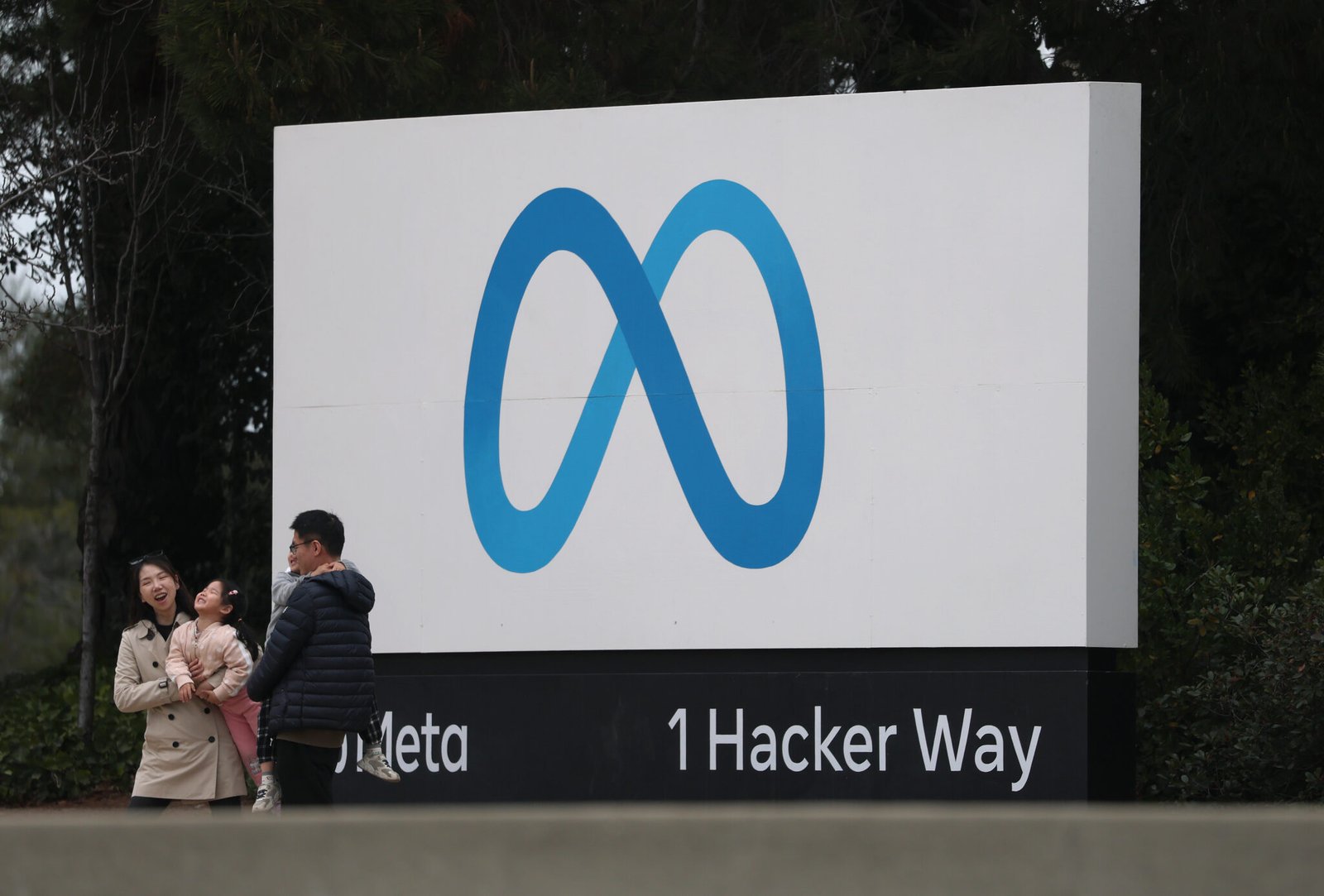
Meta has paid Washington state a record-setting fine of more than $51 million for violating campaign finance laws, but lawmakers are being cautioned not to get too excited about the money.
The Facebook and Instagram parent company is expected to appeal the fine that the state Supreme Court upheld this year in a split decision to the nation’s highest court.
Meta has until Nov. 15 to file an appeal to the U.S. Supreme Court.
“I’d be shocked if they didn’t,” said Peter Frey Lavallee, the state Public Disclosure Commission’s executive director, in a commission meeting Thursday.
The case that led to the Meta penalty deals with the social media conglomerate not providing records about digital political advertisements hosted on its platforms in violation of state law.
Meta recently transferred more than $51 million to the state to pay the fine, which started at $24.6 million in 2022 but has been rising with interest.
The state Public Disclosure Commission has urged Gov. Bob Ferguson’s office to not propose sweeping the funding from the agency’s transparency account for other uses. If the governor and lawmakers decide to do so anyway, they could have to pay Meta back if the company ultimately prevails.
“We’ve been shouting from the rooftops to the Legislature and anybody else who will listen,” Lavallee said.
Commission leaders met with staff from the state attorney general’s office to discuss their concerns Sept. 25, said commission spokesperson Natalie Johnson.
The attorney general’s chief financial officer sent a letter this month to legislative budget writers and the director of the state Office of Financial Management warning them that the state could potentially have to return the $51 million to Meta, plus interest and attorney fees.
A decision might not be made for a while.
The U.S. Supreme Court will likely decide whether to review Meta’s appeal before the end of June, according to the attorney general’s office. If the justices take it up, a decision could come a year later, by the end of June 2028.
Just before taking office in 2025, Ferguson proposed sweeping $35 million from the attorney general’s office, his old agency, to use for the state’s general fund amid a massive budget gap. Ferguson expected the then-pending Meta fine would make up for this. His successor, Attorney General Nick Brown, fiercely opposed the idea.
The money in the transparency account goes toward improving public access to political campaign finance information, including website upgrades.
But the state has instead been spending that money on staff, “which we argue is not sustainable since it’s not guaranteed money,” Johnson said.
Of nearly $4.8 million over two years that lawmakers set aside for the transparency account and general commission expenses, almost all went toward paying for staff, and just over a half-million dollars was left for the initial purpose.
Lawmakers this year revised the state law underlying the transparency account to allow for this redirecting of funds during the current budget cycle that runs through next June.
Commission leaders fear the tens of millions of dollars from Meta could be swept to cover other government expenses given the state’s budget shortfall.
Still, Lavallee said “we’ve done a pretty good job so far playing defense” in staving off budget cuts.
Meta’s hefty payment comes a few months after six state Supreme Court justices sided with the state and upheld state campaign finance law underpinning the lower court fine against Meta.
But the justices didn’t reach a consensus on whether the penalty was excessive. Three agreed with it, three ruled it was calculated incorrectly, and three others said it may have been determined correctly, but is still excessive.
Without a majority view, the penalty was affirmed.
Washington State Standard is part of States Newsroom, a nonprofit news network supported by grants and a coalition of donors as a 501c(3) public charity. Washington State Standard maintains editorial independence. Contact Editor for questions: info@washingtonstatestandard.com.