
by Jerry Cornfield, Washington State Standard
March 16, 2026
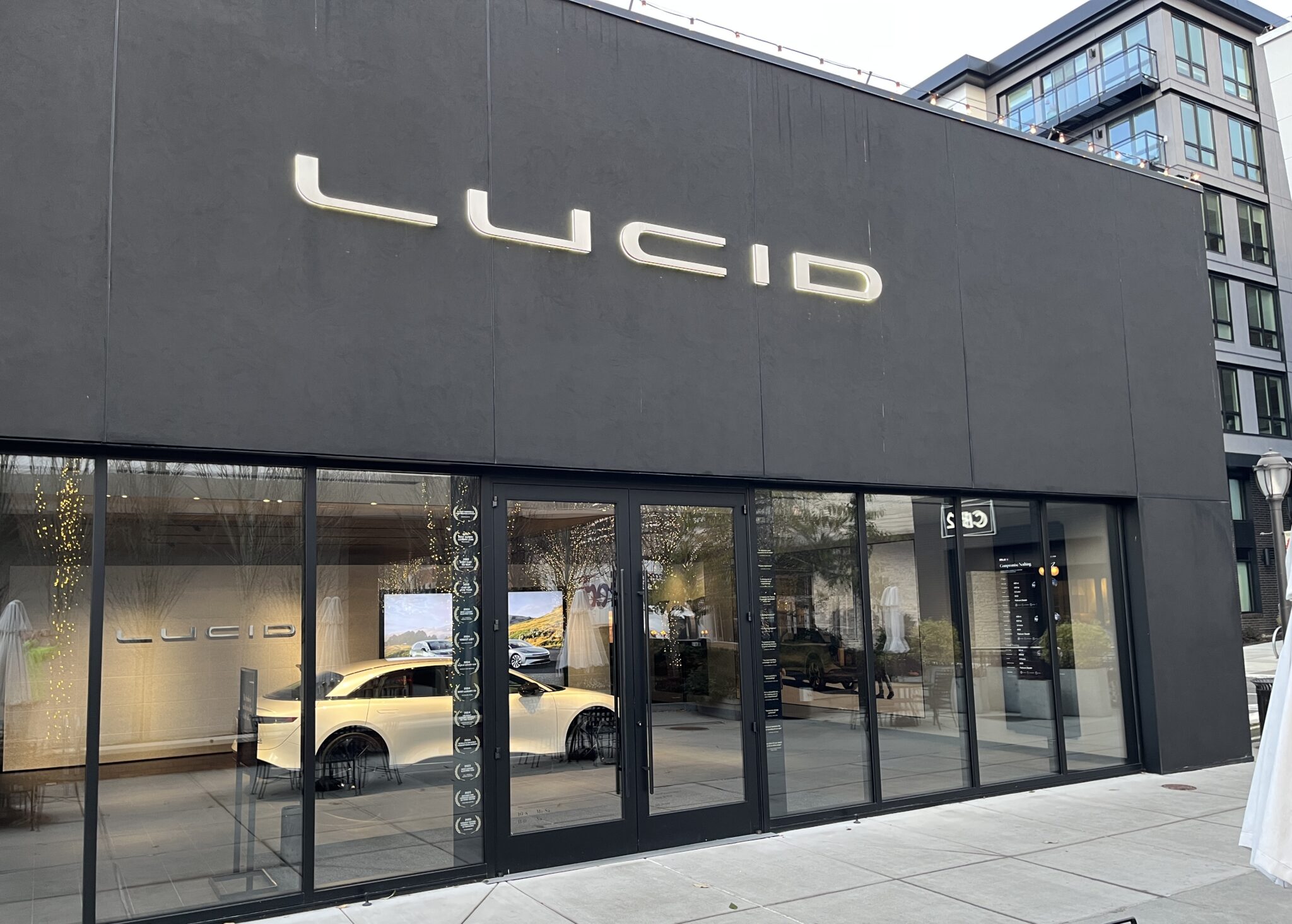
Rivian and Lucid could soon be able to sell cars from a showroom in the same way Tesla has done for more than a decade.
Late-arriving legislation that sped through the process would open the door wider for consumers to purchase an electric vehicle directly from its manufacturer.
Senate Bill 6354 received bipartisan support en route to passing the House in the early morning hours of March 12, the final day of the session.
If Gov. Bob Ferguson signs it, luxury electric vehicle makers Rivian and Lucid will be able to directly sell to Washington customers.
And it means Rivian will abort its plan to try to change state law through an initiative this fall. In January, the company set out in that direction, launching a political committee with a $4.5 million contribution and a pledge for an additional $40 million.
“We’re very pleased that the Legislature took action to ensure that Washington drivers have the option to test drive and purchase the vehicle of their choice,” Mark Funk, a spokesman for the Rivian-sponsored Washington Coalition for Consumer Choice and Innovation, said in a statement.
He added that the group wants Ferguson to sign the bill “as soon as possible, making these important consumer benefits law and eliminating the need for a ballot measure campaign.”
The legislation is the product of private negotiations between the two electric vehicle makers and the Washington State Auto Dealers Association, a longtime foe of direct sales. Those talks began after the start of the legislative session and culminated in the introduction of the Senate bill on Feb. 19.
Its provisions restrict eligibility to United States companies that exclusively produce battery electric vehicles and had at least 300 of their cars registered in Washington as of Jan. 1, 2026. They also must have one service facility in the state and have never had a franchise agreement with a motor vehicle dealer.
It will require qualifying manufacturers to obtain dealer licenses and follow the same laws as existing dealers.
Supporters say the language bars inexpensive Chinese-made EVs from being sold directly to consumers in Washington if they become widely available in the U.S.
Meanwhile, the bill would prevent existing car makers from using a subsidiary to sell directly to the public, so legacy car makers like Ford or Toyota wouldn’t be able to cut out dealers.
The Senate bill would hike the certificate of title fee on the purchase of a new or used vehicle from $15 to $40. Of the $25 increase, 35% would go toward rebates on used EV purchases by low-income families and the remainder would be deposited in the account that supports bus, bike and pedestrian projects.
Automakers were excluded from negotiations on the bill and will ask Ferguson to veto it.
The Alliance for Automotive Innovation, which represents the nation’s largest auto manufacturers, considers it anti-competitive.
In a March 4 letter to lawmakers, a top alliance official said no automaker should be given “special treatment” to operate outside the state’s established dealer franchise system.
“Our view is simple. Competitors selling the same product should be governed by the same rules. Tesla, Rivian, and Lucid sell electric vehicles; every other automaker in the marketplace is also selling electric vehicles,” wrote Curt Augustine, senior director of state affairs for the Alliance.
Augustine also reiterated an argument he made to the Senate Transportation Committee last month that what the state started with Tesla in 2014 will not end with Rivian and Lucid. It will instead create “a legal pathway” for other electric vehicle auto makers, such as government-supported Chinese firms, to seek the same access.
Where one firm, Tesla, was an outlier, the expansion to three automakers to sell directly creates a class, “and Chinese manufacturers will go to court to demand equal treatment under the law,” Augustine warned.
Senate Bill 6354 passed by margins of 47-2 in the Senate and 84-9 in the House. Ferguson has until April 4 to act on the legislation.
Washington State Standard is part of States Newsroom, a nonprofit news network supported by grants and a coalition of donors as a 501c(3) public charity. Washington State Standard maintains editorial independence. Contact Editor Bill Lucia for questions: info@washingtonstatestandard.com.