

by Jake Goldstein-Street, Washington State Standard
July 20, 2026
Nearly half of front-line staff at Washington’s overcrowded juvenile detention facilities leave within a year. Many report feeling unsafe, unprepared and unsupported.
That’s according to a sobering, if not shocking, audit of the state’s youth prison system that has faced years of issues stemming from trying to fit too many young people into facilities not set up to hold them all safely.
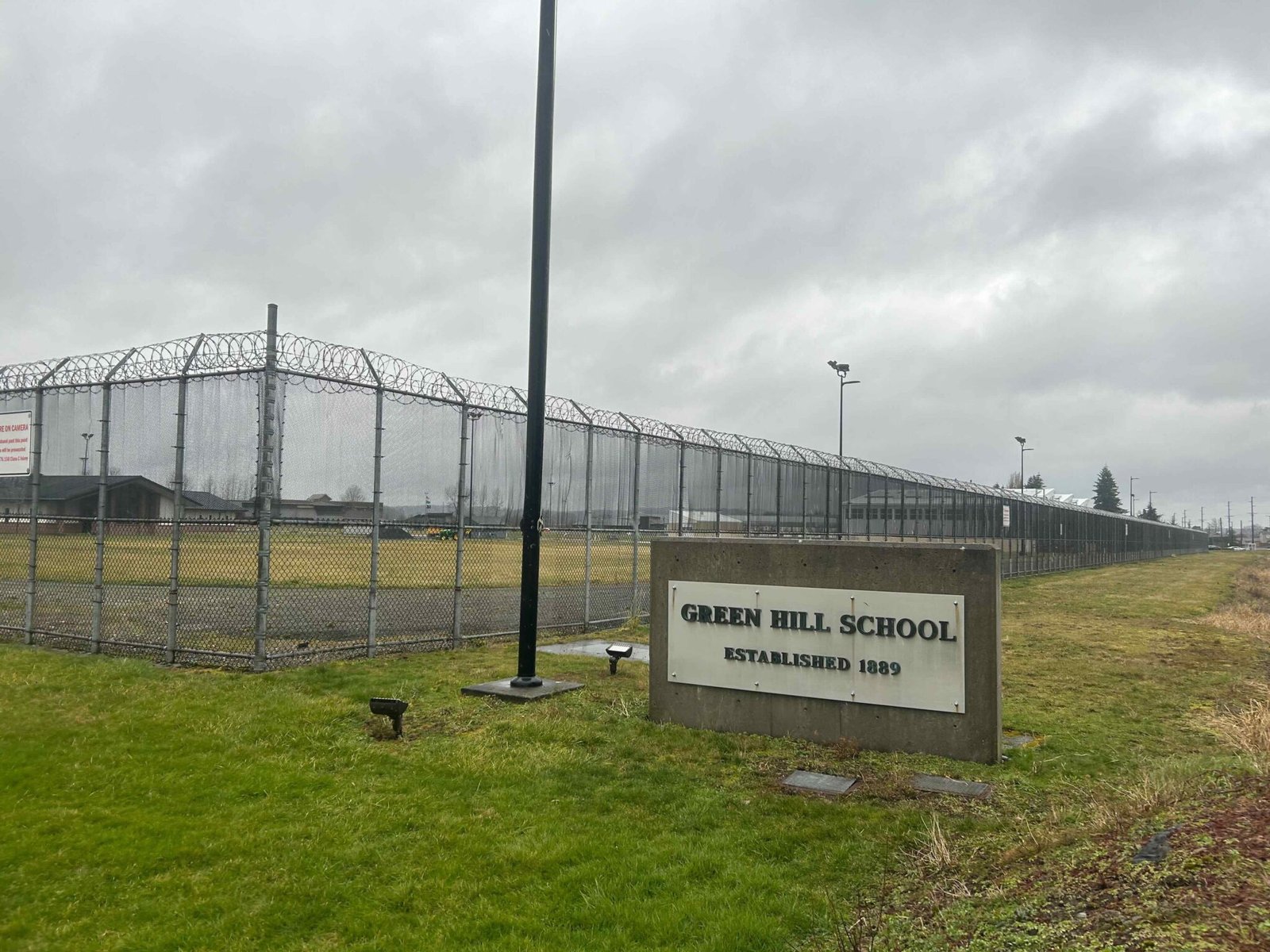
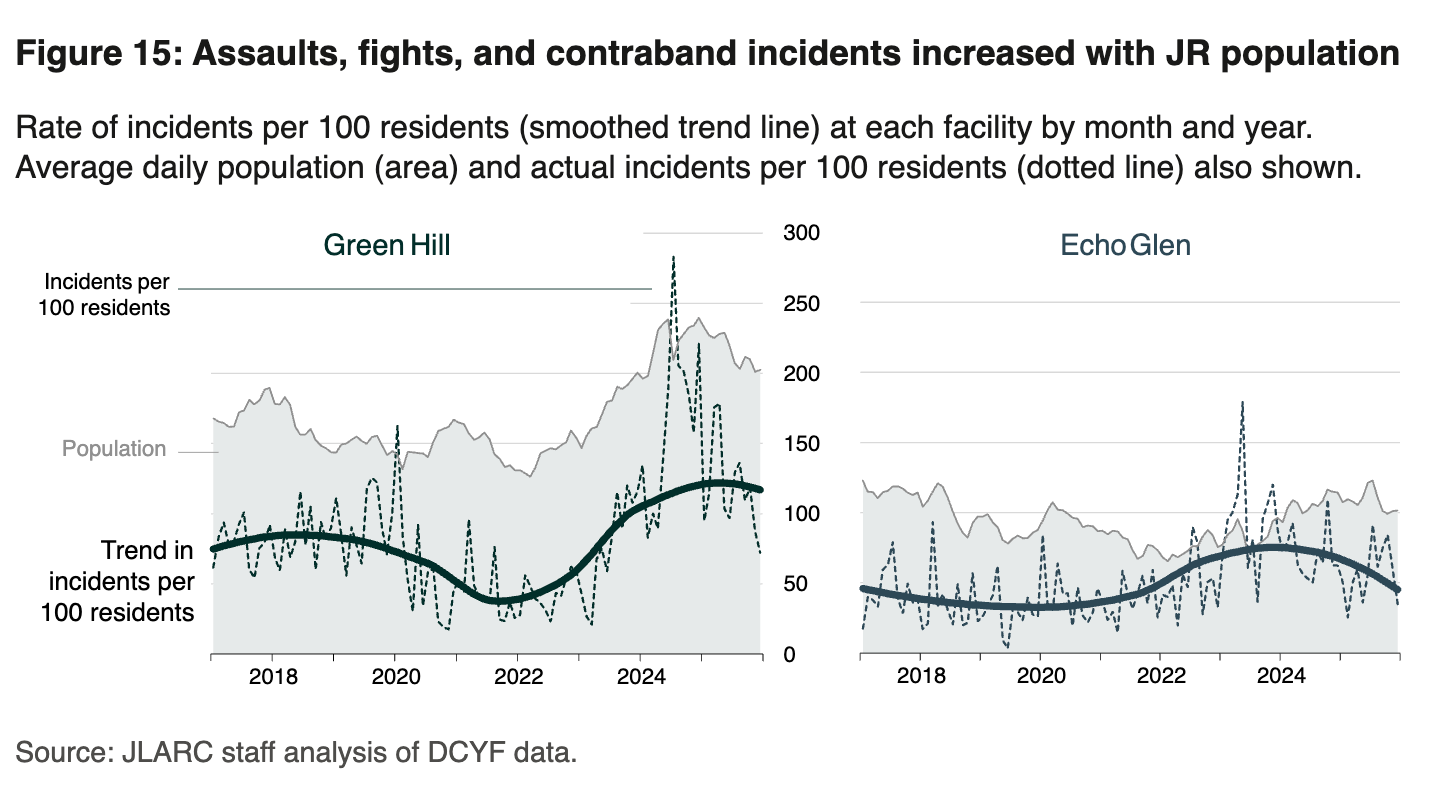
This capacity strain led to a quadrupling of fights, assaults and contraband incidents at the state’s Green Hill School in Chehalis between 2022 and 2024, according to the report from the Joint Legislative Audit and Review Committee. Training from the state Department of Children, Youth and Families, which runs the detention center, doesn’t prepare staff to handle these situations.
“Without enough experienced staff, facilities struggle to maintain order, build trust with residents, and effectively deliver rehabilitative programs,” the report says.
The audit also found disparate treatment of confined youth of color and invalid assessments that don’t properly predict risk of recidivism and eligibility for release into the community for each incarcerated young person.
State juvenile rehabilitation officials argued progress has been made since much of the work on the audit, released this month, was done in 2024 and 2025.
“Their points about the lack of safety for staff and for young people when there is overcrowding, we completely agree, and we’ve been shouting from the rooftops about that,” Tana Senn, secretary of the Department of Children, Youth and Families, told lawmakers last week.
She said her agency will need increased funding from them to address overcrowding and other issues.
Green Hill School, with a safe operating capacity of 180, held 196 people at the end of June, according to state officials. The facility’s population, which holds boys and men ages 17 to 25, had long sat well above 200. At one point in 2024, overcrowding reached such a high level that the agency transferred dozens of young men from Green Hill to an adult prison run by the state Department of Corrections, a move that drew wide backlash and lawsuits.
A change in state law to allow youth convicted of crimes to be kept in juvenile detention, instead of adult prison, until they turn 25 is one reason for the ballooning population in recent years. State forecasts show a potential for continued overcrowding in the coming years.
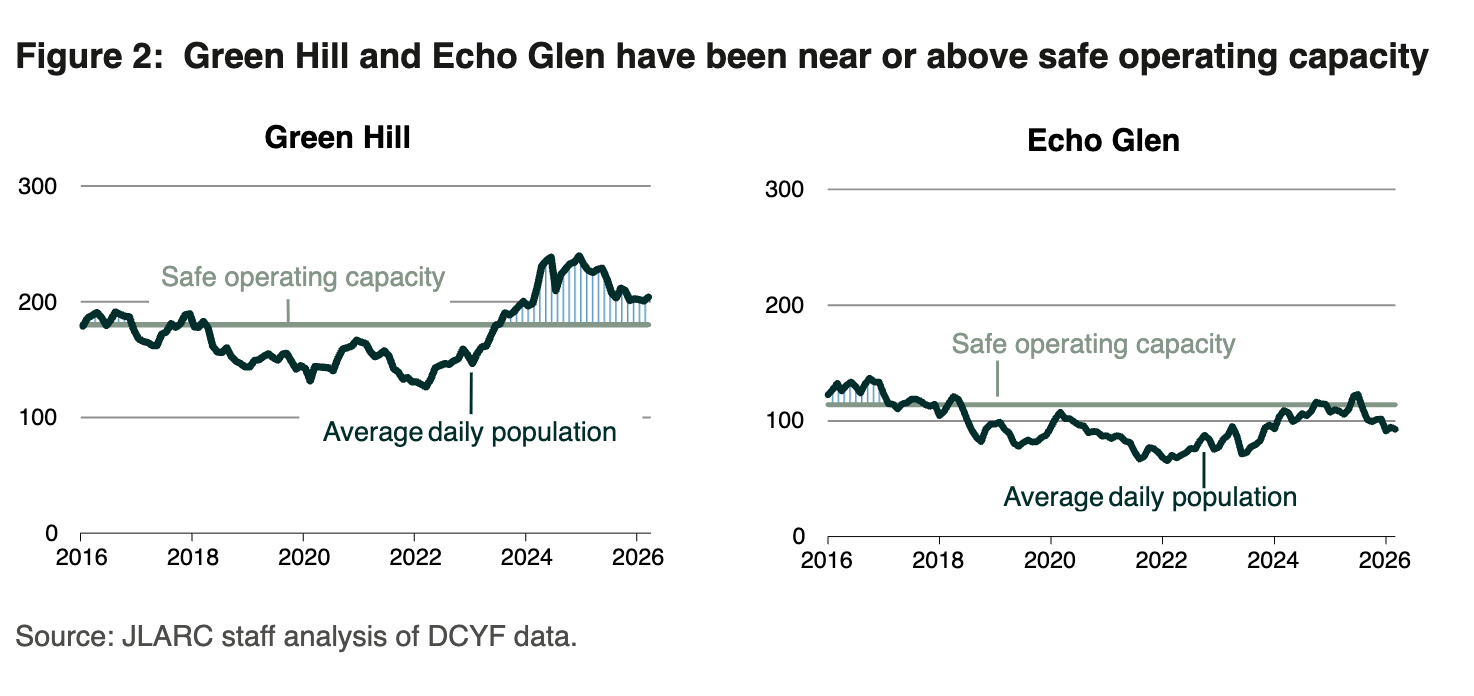
And more and more of the young people incarcerated at Green Hill face longer sentences for violent crimes like murder, sex offenses and robbery, meaning fewer beds open up.
A state appellate court last year ruled the overcrowding at Green Hill violated state law, as young people held there reported having to remain in their cells for hours and urinate in bottles amid staffing shortages that also resulted in diminished programming.
Despite the cascading concerns, the Legislature hasn’t passed substantial policy changes to help address them in recent years.
Last year, the state did open Harbor Heights, a new, smaller facility on the campus of an adult prison as a release valve for crowding at Green Hill.
And lawmakers did approve some money to design a new juvenile rehabilitation facility that could serve fewer than 50 people. This comes as national trends have pointed to smaller facilities being more conducive to rehabilitation. A top option to accomplish this in Washington has been renovating the shuttered Mission Creek Corrections Center in Mason County. A new detention center could mean closing Harbor Heights.
Legislators have also tasked the Department of Children, Youth and Families with planning for another facility east of the Cascades.
This year’s budget also included state funding for over a dozen more staffers at Green Hill to address concerns.
Both Echo Glen Children’s Center in Snoqualmie, which houses girls and women ages 11 to 25 and boys from 11 to 17, and Harbor Heights were below capacity at the end of last month.
The audit
The Joint Legislative Audit and Review Committee found a direct link between increasing population at Green Hill and safety issues.
Every 10 new people held there would result in five to six more assaults or fights and six drug and alcohol incidents. Echo Glen saw more mild upticks with crowding.
Green Hill is also where staff turnover has been most extreme. Employees reported as a result of understaffing they suffered burnout and felt undervalued. Uncompetitive salaries for some positions and limited promotion opportunities added to their frustration, according to the report. In spite of complaints, Washington’s juvenile detention vacancy rates are still below other states.
The agency has taken steps to improve retention, including increasing pay and adjusting shift schedules to reduce burnout, according to the audit. Turnover could make it harder to develop relationships with incarcerated youth. Young people who reported they trusted staff were much more likely to say they felt safe than others.
Turnover at the top is a problem, too. Juvenile rehabilitation has had multiple leaders since 2020, including an assistant secretary who alleged she was fired in an act of whistleblower retaliation. Green Hill has had three leaders since 2020. Echo Glen has had nine. The first superintendent at Harbor Heights has already been replaced, as well.
Beginning this year, new juvenile detention staffers have to attend a six-week training, the audit says. Previously, the training was five weeks or less, which staff reported didn’t properly prepare them for the job. They said trainers didn’t have front-line experience, didn’t accurately depict what these facilities are like and left them uncertain how to handle safety concerns like assaults. Agency procedures also lacked clear instruction in how to intervene in these situations.
This lack of clarity opens the door for significant staff discretion, creating potential for disparate treatment for young people of color, who are disproportionately confined in juvenile detention. At Green Hill, the audit found Native American, Black, Hispanic and multiracial residents are more likely to be confined to their rooms than their white counterparts.
The new training is “evolving based off of staff feedback and the emerging research about what needs to be trained to in these settings,” Jennifer Redman, the state’s assistant secretary of juvenile rehabilitation, told an oversight board last week.
Refresher training for existing employees has also been lacking, but the state says it is working to improve that.
Meanwhile, a survey of 268 young people held in state custody late last year found 63% felt safe, but fewer than half thought their peers felt safe.
The audit also concluded that the Department of Children, Youth and Families’ assessments of its incarcerated youth are poor. These assessments help determine a young person’s security level in detention, whether they can transfer to a less secure setting, like a community facility, and their likelihood of recidivism.
GET THE MORNING HEADLINES.
But they can both understate and overstate a young person’s risk, allowing them to be eligible for a less restrictive placement when they shouldn’t be, according to the report. They also incorrectly identify their suitability to share a cell in detention.
“It sounds like we’re really not at DCYF following best practices,” said Sen. Keith Goehner, R-Dryden.
The state report found issues in programming offered at the detention centers. Programs include drug and mental health treatment, education as well as life skills and vocational training. But Green Hill and Echo Glen both have waitlists for drug treatment, and young women at Echo Glen don’t have access to higher education opportunities like men at Green Hill. And instead of matching young people to programs based on their needs, they’re more often just matched with what’s available.
A lack of data and oversight also hampers the state’s ability to track the efficacy of these programs, according to the audit.
Senn acknowledged her agency’s juvenile detention is “definitely not perfect.”
“We have improvements to make, and we’re looking forward to improving our practice,” she said.
Recommendations
The report includes advice for the Department of Children, Youth and Families as well as the Legislature to improve juvenile detention.
For lawmakers, auditors suggest funding additional capacity through smaller, community-based facilities, and look at when the department can transfer young people to adult prisons and when they are eligible for community facilities.
As for the state agency, the report suggests doing more to improve staff training and retention. Officials should develop clearer procedures for responding to assaults and riots, and use valid assessments to better predict risks.
The department should also ensure its programs align with the needs of its detainees, given the population is getting older and has more acute needs. And these programs should be tailored to each young person’s individual needs.
“The problems identified in this review do not exist in isolation,” the audit says. “Addressing any one of these challenges without attention to the others would likely be insufficient.”
Auditors want the department to report back by summer 2027 on its progress on their recommendations.
Washington State Standard is part of States Newsroom, a nonprofit news network supported by grants and a coalition of donors as a 501c(3) public charity. Washington State Standard maintains editorial independence. Contact Editor Bill Lucia for questions: info@washingtonstatestandard.com.