

by Jake Goldstein-Street, Washington State Standard
May 15, 2026
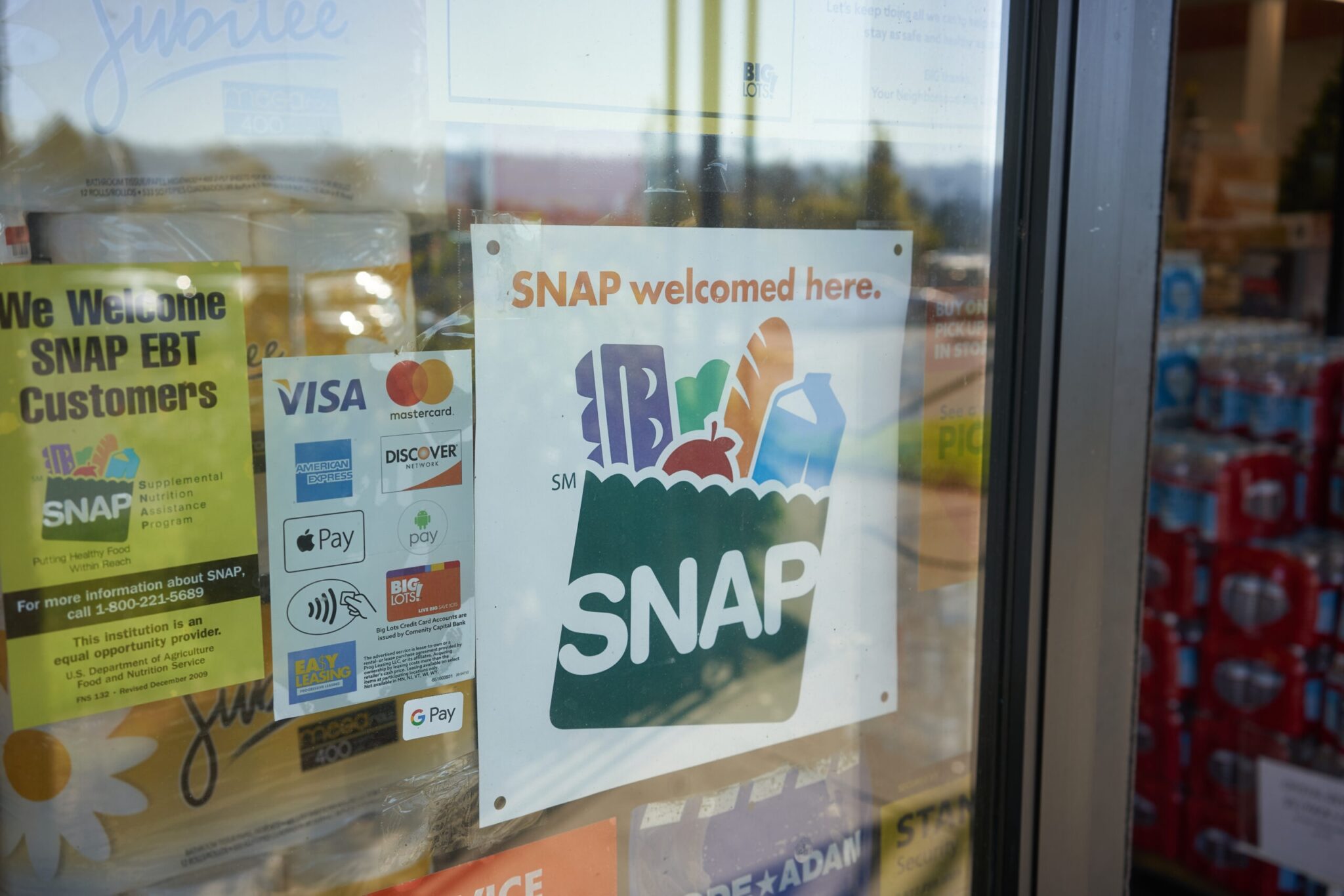
Food stamp enrollment in Washington state fell sharply between last summer and early this year amid federal cuts to the program and as fewer immigrants accessed benefits.
The decline here is small compared to some other states, but the number of households receiving food assistance dropped from 548,000 in March 2025 to 525,000 in March this year.
State officials say some of the decrease can be attributed to the lingering effects of the lengthy federal government shutdown last fall that threatened the Supplemental Nutrition Assistance Program, or SNAP, and similar food programs.
“We really haven’t climbed out of that,” said Claire Lane, director of the statewide Anti-Hunger and Nutrition Coalition.
Enrollment has gone down almost every month since January 2025, per data from the state Department of Social and Health Services, which runs the program here.
In Washington, Basic Food benefits include the federal SNAP program and the state’s Food Assistance Program, which mirrors SNAP but extends benefits to immigrants with lawful status who don’t qualify for the federal version. The Food Assistance Program is fully state-funded.
Noncitizen enrollment in Basic Food has plummeted roughly 23%, from over 47,000 households to 36,500. The peak was nearly 50,000 in fall 2024, before President Donald Trump retook office. Mixed-status homes with both citizen and noncitizen residents have fallen 6%.
Meanwhile, U.S. citizen enrollment has dropped a little over 2%. Most of that decline came last fall, during the government shutdown. Whether the Trump administration would issue SNAP benefits in the middle of the shutdown was in question.
The national average for declines in SNAP benefits between January 2025 and January 2026 was 10%. Some states had larger declines. Arizona saw a more than 43% reduction. Louisiana, Georgia, Florida, Nevada and North Carolina were also in double figures.
This comes as food prices increase.
In the Seattle area, for example, they’ve gone up 3.8% over the past year, outpacing the national average, according to federal data released this week. The war in Iran has shocked prices for numerous grocery items. SNAP helps low-income residents pay for groceries.
The tax cut law congressional Republicans passed last summer, known as the “big, beautiful bill,” is expected to cut roughly $187 billion in federal nutrition spending over the next decade.
Previously, SNAP required able-bodied adults age 54 and younger without dependents to work at least 20 hours per week to access food stamps. The GOP megabill upped that to age 64 and added work requirements for parents whose children are at least 14 years old. Previously exempt veterans, former foster youth and people experiencing homelessness also need to work.
Those changes have taken effect. Applicants who don’t meet these new requirements but otherwise qualify can get three months of benefits. Enrollment is expected to continue to drop as the food aid lapses for this group.
State officials have estimated that 137,000 residents in Washington stand to lose their benefits from the more stringent work requirements.
“People have heard the news,” said Lane, with the Anti-Hunger and Nutrition Coalition. “They know what Congress did last summer. They know that there are cuts coming and eligibility changes coming. And so I think it’s had a chilling effect on people applying for benefits.”
The federal law also cut eligibility for refugees and asylees. However, state lawmakers this year approved money to continue providing state food benefits to the roughly 30,000 immigrants who no longer qualify due to this provision. Washington is also spending $9.3 million to staff up to implement the new work requirements.
More changes are coming. Starting next year, the state could need to foot the bill for some SNAP spending previously covered by the federal government if it doesn’t reduce its overpayments and underpayments. States will also have to share some of the administrative costs of running the program.
Republicans have said the idea is to root out waste, fraud and abuse in SNAP and other federal programs to save taxpayer dollars. But critics say it’ll drown low-income people in paperwork, an obstacle to benefits even for those who remain eligible.
Meanwhile, the Trump administration has tried to access personal data of state food stamp recipients, raising fears it could be used for immigration enforcement and potentially chilling noncitizens’ interest in accessing the program.
GET THE MORNING HEADLINES.
Washington State Standard is part of States Newsroom, a nonprofit news network supported by grants and a coalition of donors as a 501c(3) public charity. Washington State Standard maintains editorial independence. Contact Editor Bill Lucia for questions: info@washingtonstatestandard.com.