
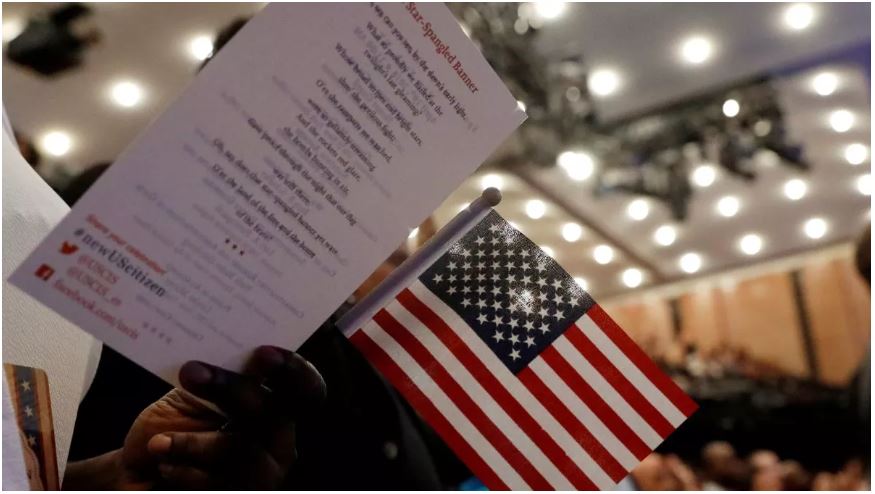

On his first day in office, President Donald Trump issued an executive order to end birthright citizenship, which grants citizenship to all children born in the United States. This right has been enshrined in the Constitution for 160 years. Lawsuits were filed challenging the order, and judges in several states issued injunctions to block it. Recently, the Supreme Court decided in favor of the Trump administration, clearing the way for the order to go into effect.
Cases were filed against the birthright citizenship order in 22 states with democratic governments. This raises many questions such as whether children of immigrants living illegally in some states will have the right to citizenship? Can the children of such parents be deported? In contrast, in the 28 states where the order has not been challenged, children of illegal immigrants can be denied U.S. citizenship.
As per the Supreme Court order, lower courts will have to decide how to craft their orders to comply with the new verdictLet us tell you that many migrant rights groups have demanded an emergency stay against this order. Discussions are going on about the possible effects of this decision. Let us tell you that the US Supreme Court judges sent the cases challenging the birthright citizenship policy back to the lower courts.
The executive order is blocked for at least 30 days. This gives lower courts and the parties time to sort out next steps.The US Supreme Court’s ruling in the case is believed to leave open the possibility that groups challenging the policy could still seek nationwide relief through class action lawsuits. It is being told that just hours after the decision, two class lawsuits were filed in Maryland and New Hampshire to stop Trump’s order.